Stump Cutting in Calvert County, MD
Stump cutting services involve the removal of tree stumps from residential or commercial properties to improve landscape appearance, safety, and usability. This process typically includes grinding the stump below ground level to eliminate tripping hazards, prevent pest infestations, and prepare the area for new planting or construction projects. Property owners often request stump cutting when removing trees, clearing land for development, or restoring a yard's aesthetic appeal, ensuring that remaining stumps do not interfere with lawn maintenance or future landscaping plans.
Before requesting stump cutting, homeowners should consider the size and location of the stump, as well as any underground utilities or structures nearby. It's also helpful to understand the extent of root removal needed and whether additional grading or soil replacement is necessary afterward. Clarifying these details can ensure the project aligns with property goals and avoids potential complications during the stump removal process.
Many property owners in Calvert County, MD look into Stump Cutting for repairs, replacements, upgrades, and appearance-related improvements.
Stump Removal Options
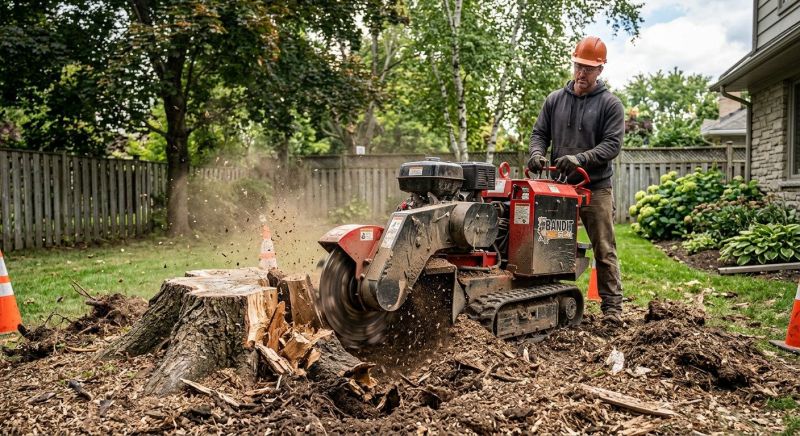
Different methods are available to safely remove tree stumps from residential and commercial properties in calvert county.
Reasons To Remove Stumps
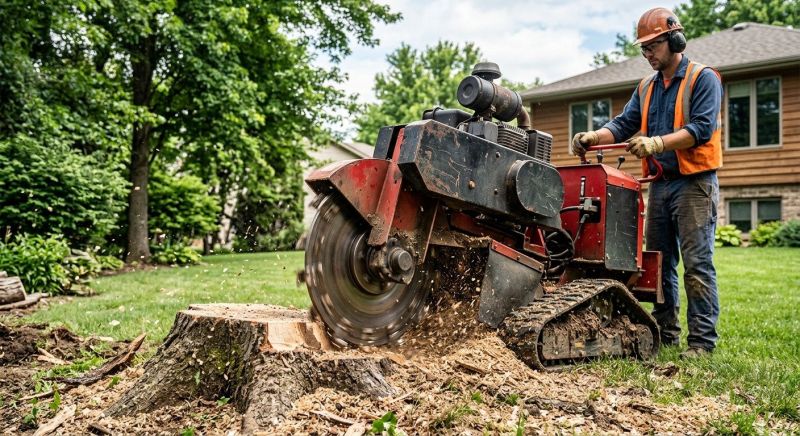
Removing stumps can improve lawn aesthetics, prevent pest infestations, and make space for new landscaping projects.
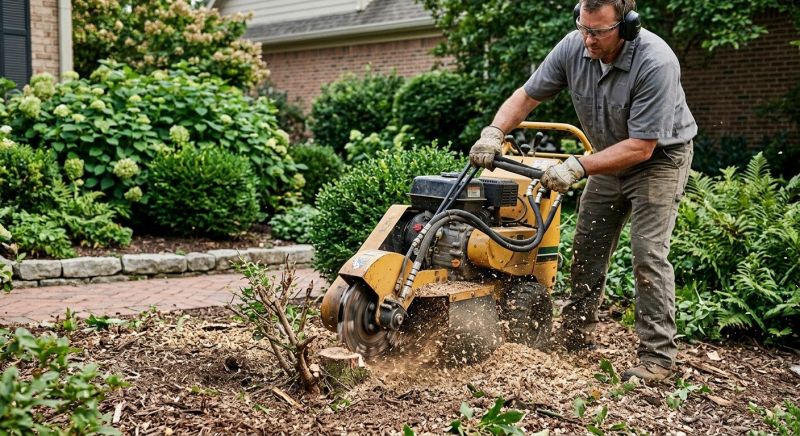
Stump Grinding Benefits
Stump grinding offers a quick and efficient way to clear stumps while minimizing disruption to your yard.
Stump Cutting in Calvert County, MD
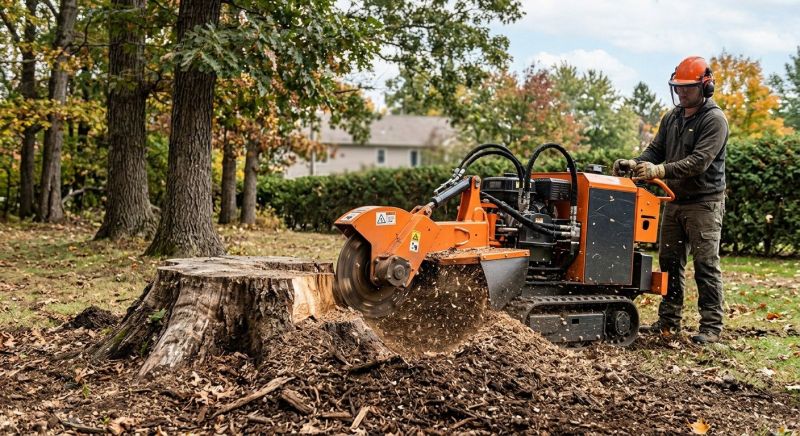
Stump cutting services involve the removal of tree stumps from residential or commercial properties to improve landscape appearance, safety, and usability. This process typically includes grinding the stump below ground level to eliminate tripping hazards, prevent pest infestations, and prepare the area for new planting or construction projects. Property owners often request stump cutting when removing trees, clearing land for development, or restoring a yard's aesthetic appeal, ensuring that remaining stumps do not interfere with lawn maintenance or future landscaping plans.
Before requesting stump cutting, homeowners should consider the size and location of the stump, as well as any underground utilities or structures nearby. It's also helpful to understand the extent of root removal needed and whether additional grading or soil replacement is necessary afterward. Clarifying these details can ensure the project aligns with property goals and avoids potential complications during the stump removal process.
Many property owners in Calvert County, MD look into Stump Cutting for repairs, replacements, upgrades, and appearance-related improvements.
Common Stump Cutting Jobs
Stump Removal - complete removal of tree stumps to improve landscape safety and appearance.
Stump Grinding - grinding down stumps to ground level for easy lawn maintenance.
Stump Grinding and Removal - both grinding and removing stumps for a clean, finished look.
Stump Grinding for Landscaping - preparing the area for new planting or lawn expansion.
Stump Grinding for Safety - eliminating tripping hazards in yards and pathways.
Stump Removal for Property Clearance - clearing stumps to open up space for construction or landscaping projects.
Stump Cutting Questions
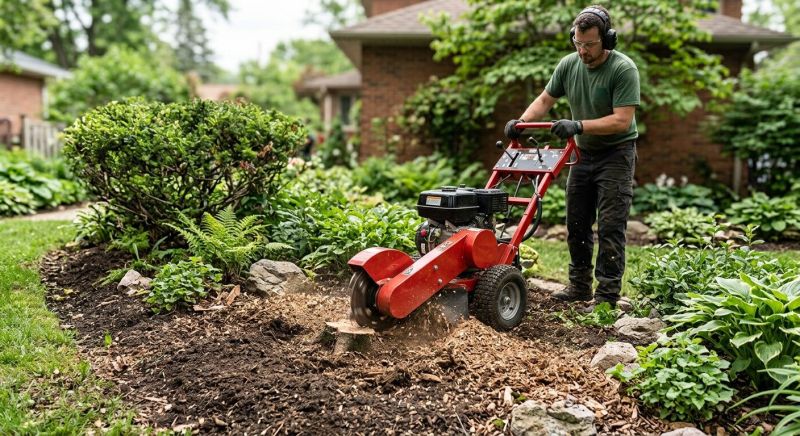
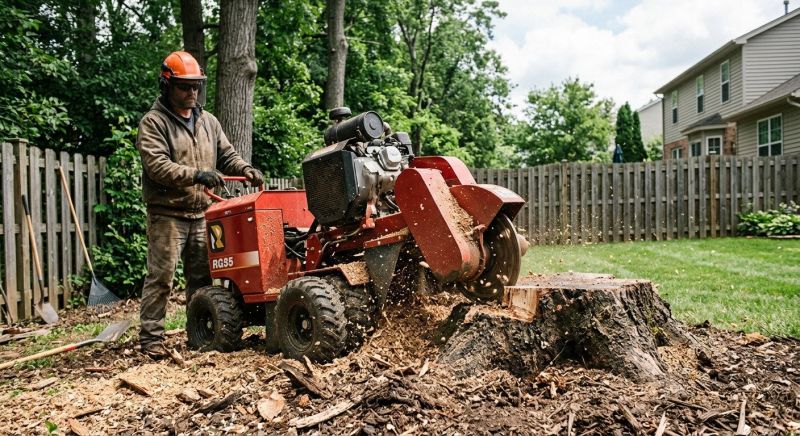
What is stump cutting? Stump cutting involves removing tree stumps to clear the area for landscaping, construction, or safety reasons.
When should stump removal be considered? Removal is recommended when stumps hinder lawn maintenance, pose safety hazards, or interfere with future planting plans.
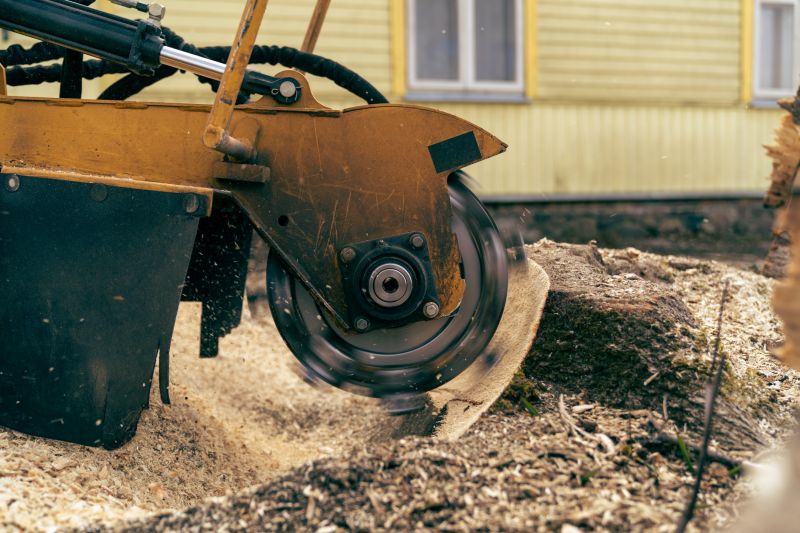
What tools are used for stump cutting? Typically, equipment like stump grinders, chainsaws, and hand tools are used to effectively remove stumps.
Is stump cutting necessary after tree removal? Yes, removing the remaining stump helps prevent pest infestations, regrowth, and allows for proper land use.
Request Stump Cutting in Calvert County, MD
Use the quote form on this page to share the basics of your project and request more information for the type of work you need.