Compare Local Contractors for Tree Crown Shaping Services
Compare local contractors for tree crown shaping to clarify scope, verify experience, and establish clear expectations for a successful, well-managed project.
Tree crown shaping is a specialized aspect of arboriculture that focuses on the careful trimming and pruning of a tree’s upper branches to improve its overall form, health, and safety. This work typically involves removing dead or diseased limbs, reducing excessive growth, and balancing the canopy to prevent potential hazards like limb breakage or interference with nearby structures. Proper crown shaping not only enhances the aesthetic appeal of a property but also promotes the tree’s longevity and structural integrity. When selecting a contractor for this type of work, it’s important to understand the specific services offered and ensure that the scope aligns with the property’s needs.
Defining the scope of tree crown shaping is essential to establish clear expectations and ensure the work addresses the desired outcomes. Property owners should consider factors such as the extent of pruning, the types of cuts to be made, and the overall goals-whether for safety, appearance, or health. Communicating these details in writing with potential contractors helps prevent misunderstandings and provides a record of what is agreed upon. A well-defined scope also allows property owners to compare different service providers more effectively, focusing on their experience with similar projects and their approach to preserving the tree’s natural shape.
When evaluating local contractors for crown shaping services, property owners should consider their experience and reputation within the community. It’s helpful to review any available references or examples of previous work to gauge the contractor’s familiarity with the specific techniques required. Comparing how contractors approach the scope of work, their methods for ensuring quality, and their communication style can also be valuable. By gathering information on each provider’s background and clarifying the scope upfront, property owners can make more informed decisions and select a service provider that aligns with their expectations for the project.
Compare local contractors by outlining your priorities, verifying experience, and clarifying scope to ensure clear expectations.
- Compare Contractor Experience - Review the backgrounds and project histories of local service providers to ensure relevant expertise.
- Define Scope Clearly - Specify the desired crown shaping outcomes and work details in written agreements.
- Verify Qualifications - Confirm that contractors have appropriate experience handling tree crown shaping projects.
- Set Expectations in Writing - Document all project details, including scope and responsibilities, to ensure clarity and accountability.
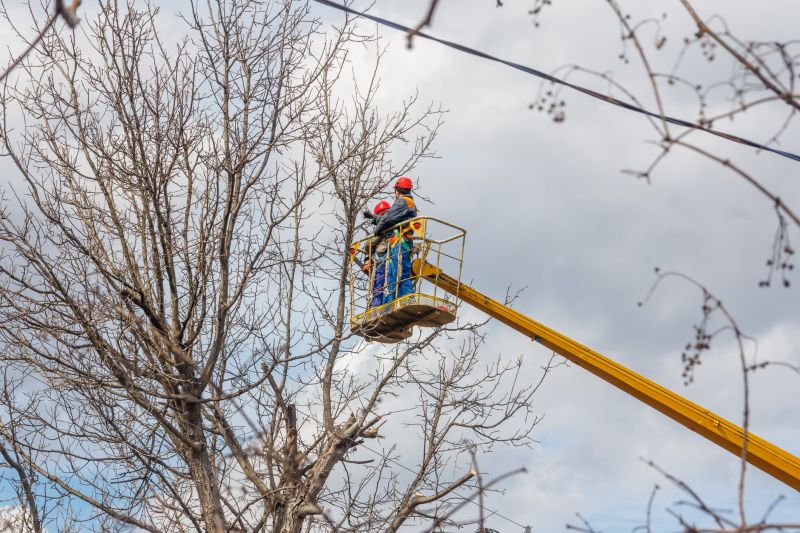
Clearly describe your tree crown shaping project to compare local contractors, verify experience, and set expectations in writing.
- Verify the contractor's experience with tree crown shaping to ensure they understand proper pruning techniques. - Look for clear scope definitions and detailed work descriptions before hiring a service provider.
- Compare multiple local contractors to assess their approach and ensure consistency in shaping methods. - Ensure that the contractor's methods align with the desired outcome for the tree's appearance and health.
- Check references or reviews to gauge the quality of previous tree shaping projects handled by the service provider. - Confirm that the contractor follows best practices for tree health and safety during shaping.
- Discuss and document the specific shaping goals and expectations in writing to prevent misunderstandings. - Clarify the extent of crown reduction, trimming, or shaping desired before work begins.
- Ensure the contractor assesses the tree’s condition and considers safety factors before proceeding with shaping. - Confirm that they evaluate the tree’s health and stability to avoid damage or hazards.
- Request a detailed work plan that outlines the shaping process and any necessary follow-up care or maintenance. - Having a written plan helps set clear expectations and ensures transparency.
Compare local contractors’ experience and services to clearly define your tree crown shaping project scope.
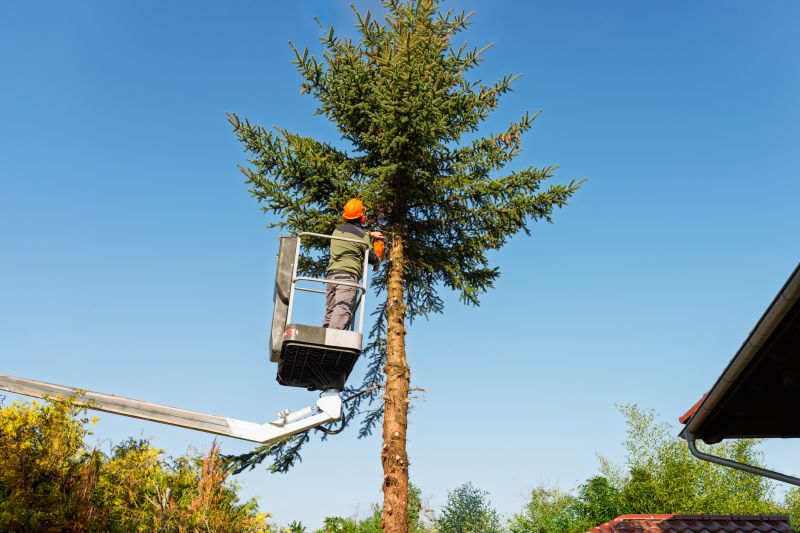

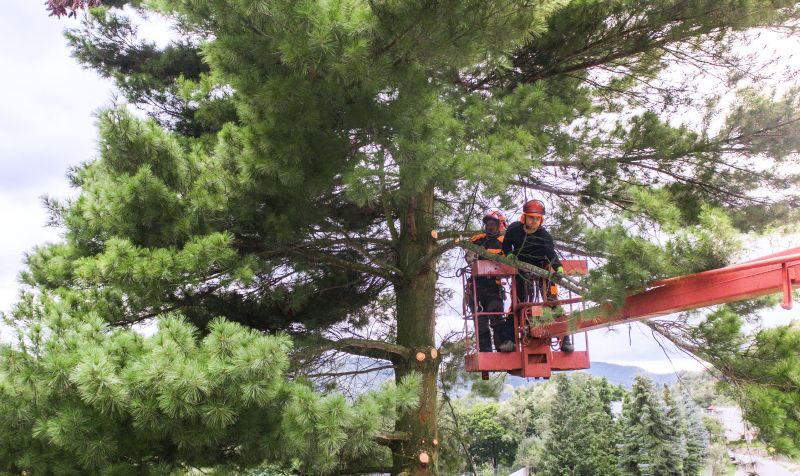
When comparing contractors for tree crown shaping, ensure scope, experience, and expectations are clearly defined and consistent.
- Define the desired shape - specify the overall form and structure desired for the tree crown.
- Assess contractor experience - verify that local service providers have relevant experience with crown shaping techniques.
- Clarify scope of work - outline which branches or areas will be pruned or removed during shaping.
- Establish communication expectations - ensure the scope and modifications are documented clearly in writing.
- Compare service offerings - review multiple local contractors to evaluate their approach and scope definitions for shaping.
When comparing contractors for tree crown shaping, it’s important to consider their experience with similar projects. Service providers who have a proven track record working on crown shaping for trees of comparable size and species are more likely to understand the specific techniques and potential challenges involved. Asking about previous projects can help determine whether a contractor has the relevant background to handle the unique aspects of a particular tree or landscape. An experienced contractor can offer insights into what to expect and help ensure the work aligns with the health and aesthetics of the trees.
A clear, written scope of work is essential to establish mutual understanding and set expectations. A detailed description should outline what the project entails, including the specific shaping techniques, the areas to be pruned, and any safety or preservation considerations. This documentation serves as a reference point throughout the project, reducing misunderstandings and providing clarity about the work to be performed. Contractors who can articulate the scope in writing demonstrate professionalism and help ensure that both parties are aligned on the project's goals.
Verifying the basics of a contractor’s approach involves understanding their process and methods. This includes confirming how they plan to assess the tree’s health, what tools or techniques they will use, and how they handle safety considerations. A reputable service provider will be transparent about their procedures and willing to discuss how they approach crown shaping to maintain the tree’s vitality and appearance. Asking for details about their approach can help gauge their expertise and ensure that the work will be performed thoughtfully and responsibly.
When evaluating options, it’s helpful to compare how each contractor defines the scope of work, their experience with similar projects, and their communication style. Focus on how clearly they articulate their methods and whether they provide comprehensive explanations of the work involved. It’s also useful to consider how well each service provider can adapt to specific needs or preferences, and whether their proposed approach aligns with the desired outcome for the trees. By taking these factors into account, homeowners can make informed decisions when selecting a contractor for tree crown shaping.
Request written scope details from service providers to ensure clear expectations and consistent project understanding.
- Experience and Expertise - What specific experience do local contractors have with tree crown shaping projects?
- Scope of Work - How do contractors define and clarify the scope of the crown shaping services they provide?
- Methodology and Techniques - What shaping techniques and methods do service providers typically use for crown shaping?
- Materials and Equipment - What tools and equipment do local contractors plan to use, and how do they ensure quality?
- Work Expectations and Deliverables - How do contractors document and communicate the expected outcomes and scope of the crown shaping work?
How can I compare contractors for tree crown shaping? To compare local contractors, review their experience, scope of services offered, and any available references or reviews to ensure they meet your project needs.
What should I specify when defining the scope of tree crown shaping? Clearly outline the desired shape, extent of trimming, and any specific trees or areas to be addressed to help contractors understand your expectations.
How can I verify the experience of tree crown shaping service providers? Ask contractors about their previous projects, years of experience, and whether they have handled similar work to assess their expertise.
What is important to include in a written agreement with a contractor? Ensure the scope of work, project details, responsibilities, and any agreed-upon expectations are documented clearly to prevent misunderstandings.
Are there questions I should ask to assess a contractor's professionalism? Inquire about their process, safety practices, and how they handle unexpected issues to gauge their approach and reliability.
How can I ensure the contractor understands my vision for tree crown shaping? Communicate your desired outcome in detail, and consider providing examples or references to align expectations before work begins.
Choosing the right contractor for tree crown shaping involves understanding the scope of work, verifying experience, and setting clear expectations in writing. This process helps ensure that the service provider’s approach aligns with the desired outcome and that responsibilities are clearly defined. By comparing different local contractors, visitors can identify options that meet their specific needs and preferences.
Utilizing the quote form allows for easy comparison of available service providers in the area. It offers a straightforward way to gather information and connect with local contractors who can handle the job. Taking the time to evaluate options through this method supports making informed decisions tailored to individual project requirements.